
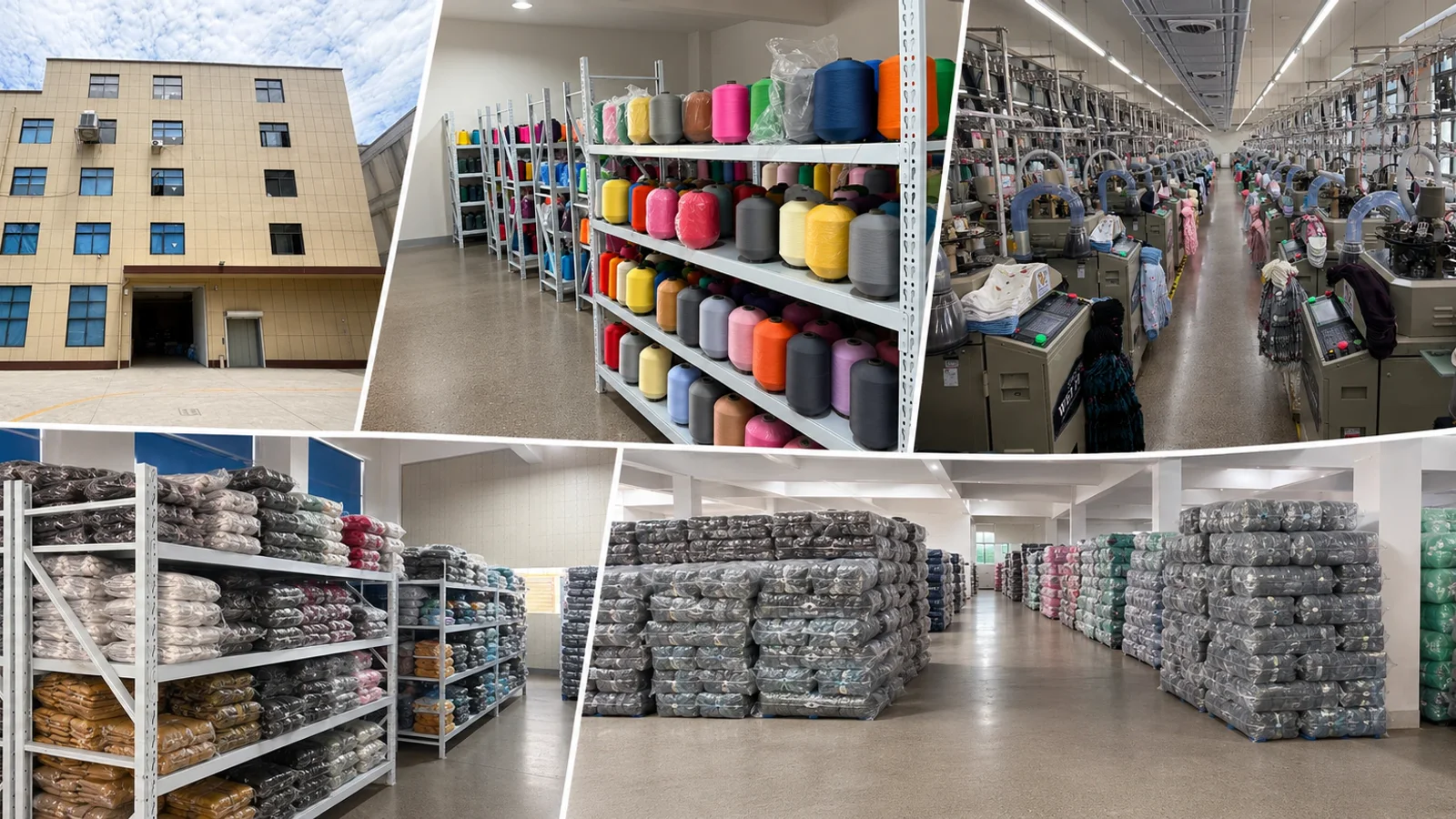
Quick answer
A reliable OEM project moves through requirement confirmation, quotation, technical specification, sample development, sample approval, bulk material preparation, knitting and finishing, quality inspection, packaging approval, and shipment release. Buyers should assign an owner and approval record to every stage.
Compression socks are specification-driven products. A clear process helps the buyer and factory control fit, pressure direction, color, construction, packaging, and delivery expectations before they become expensive bulk-order problems.
OEM workflow at a glance
| Stage | Main output | Buyer approval |
|---|---|---|
| 1. RFQ and brief | Target product, channel, quantity, and timing | Written requirement summary |
| 2. Specification | Pressure, sizing, yarn, construction, colors, and packaging | Version-controlled product spec |
| 3. Sampling | Fit, appearance, logo, and packaging samples | Signed or documented approval |
| 4. Bulk production | Yarn preparation, knitting, linking, boarding, and finishing | Production plan and change control |
| 5. Quality and packing | Inspection records and packed goods | Final inspection and shipment release |
Step 1: Send a useful RFQ
Include the target market, wearer, pressure range, sock height, regular-fit size range, colors, logo direction, packaging type, order quantity, delivery destination, and reference photos. State whether the project is based on an existing stock style or needs new development.
Step 2: Build the technical specification
The specification should identify more than fiber content. It should include product dimensions, size chart, construction details, heel and toe direction, cuff, logo method, color references, packaging components, labeling text, inspection criteria, and the accepted sample.
Step 3: Develop and evaluate samples
Separate sample goals when necessary. A fit sample may confirm sizing and comfort, while a logo or packaging sample confirms presentation. Evaluate samples using a checklist and record every change. Verbal feedback such as "make it softer" should be converted into an agreed action and new version.
Step 4: Approve before bulk materials
Bulk production should start only after the product, colors, size breakdown, quantity, packaging artwork, barcode data, and shipment marks are approved. Late artwork or size changes can affect both production planning and delivery.
Step 5: Knit, finish, and inspect
Production can include yarn preparation, knitting, toe closing or linking, boarding or shaping, pairing, inspection, and packing. The exact route depends on the style. Buyers should agree which checks happen during production and which are part of the final inspection.
Step 6: Control packaging versions
Confirm printed colors, size labels, barcodes, country-of-origin text, carton marks, inserts, and pack counts. Keep an approved artwork file and physical packaging reference. A correct sock in the wrong size band is still an order defect.
Step 7: Release the shipment
Before release, compare finished goods with the approved sample and order specification. Review quantity, assortment, appearance, measurements, packaging, carton information, and required documents. Record any agreed exceptions in writing.
How to build a realistic timeline
Instead of relying on one total lead-time number, ask for dates by stage: brief confirmation, sample completion, sample feedback, artwork approval, material readiness, production, inspection, packing, and shipping. Custom yarn, multiple sizes, new packaging, testing, and repeated sample revisions can extend the schedule.
Buyer takeaway
The fastest OEM project is usually the one with the clearest approvals. A controlled specification, named decision-maker, sample record, and packaging checklist keep the factory and buyer working from the same version.
Frequently asked questions
What information starts a compression socks OEM order?
Send the target channel, pressure range, style, size range, colors, logo, packaging, quantity, destination, and reference product.
When should bulk production begin?
Bulk production should begin after the product sample, specification, color direction, size breakdown, packaging artwork, and order details are approved.
What commonly delays custom compression sock orders?
Incomplete specifications, repeated sample changes, late artwork, unconfirmed colors, custom packaging, testing requirements, and size-breakdown changes can all affect the schedule.